
Mohegan Lake is one of those rare places where the past and present blend beautifully, creating a warm fabric of community identity and charm. Situated just north of the bustling heart of Yorktown Heights, this neighborhood is more than a peaceful lake encircled by quiet streets—it’s a proud witness to centuries of change and an enduring spirit that makes it feel like home to so many. Let’s stroll through the lakeside lanes and take a closer look at the roots of Mohegan Lake, its fascinating milestones, and the special places that continue to define its character.
The Early Origin: From Indigenous Roots to a Rural Lakeside
The history of Mohegan Lake reaches far back in time, stretching to an era before European settlers arrived in what is now northern Westchester County. The land was originally inhabited by the Mohegan people—an Algonquian-speaking tribe whose name means either "People of the Wolf" or "The Great Waters." The lake, once known as Lake Mohegan, was a vital part of their seasonal travels for fishing and hunting, shaping the area’s earliest identity.
By the late 1600s and into the 18th century, waves of English and Dutch settlers began to arrive, drawn to the region’s fertile soil and gently rolling hills. The lake retained its name as a tribute to the Indigenous Mohegan people, preserving a thread of continuity through centuries of change.
Naming the Neighborhood: Why “Mohegan Lake”?
There’s a gentle pride among locals when it comes to the name. Though sometimes confused with the better-known Mohegan tribe of Connecticut, Mohegan Lake’s title is a direct homage to the original residents of these lands. The streets echo these roots—routes like Mohegan Avenue and Lexington Avenue wind toward the water and remind us of settlers and Revolutionary War-era history alike.
Historical Milestones: From Summer Retreats to Year-Round Community
- Gilded Age Resorts and a Summer Playground: In the late 1800s and early 1900s, Mohegan Lake blossomed into a popular summer destination for New York City dwellers seeking relief from city heat. Rustic resorts, boathouses, and dance pavilions sprang up along the water’s edge. The still-standing Lake Mohegan Park, situated at the lake’s southern tip, was once part of this lively summer scene, complete with bustling docks and rowboats dotting the water.
- The Ice Harvesting Era: Before household refrigeration, Mohegan Lake played a significant role in the regional ice trade. Each winter, thick sheets of ice layered the lake, and workers—many descended from European immigrants—would cut and haul blocks to nearby icehouses along roads such as Old Yorktown Road and Mohegan Avenue.
- Postwar Growth and Suburban Migration: The post-World War II years saw the area transform as summer cottages turned into year-round homes. Veterans and young families were drawn by affordable land, good schools, and the promise of lakeside living—all connected by the old Putnam Northern Railroad, whose former right-of-way is now the scenic North County Trailway.
Landmarks and Architectural Treasures
- Mohegan Lake Baptist Church: Perched on the corner of Lexington Avenue and Mohegan Avenue, this historic white clapboard church has watched the seasons change since 1891. Its welcoming steeple and community fairs remain a cherished fixture.
- Lake Mohegan Park District: Protecting much of the public shoreline, the park’s trails and picnic areas are a favorite for birdwatchers, joggers, and families alike.
- The Old Red Schoolhouse: Tucked on East Main Street, just a short drive from Mohegan Lake proper, this preserved one-room classroom provides a window into 19th-century rural education. Its restoration is a testament to local pride in preserving the past.
- Private Lake Associations: Over the decades, neighborhood associations such as Lake Mohegan Association and Mohegan Colony have not only maintained private beaches but cultivated a sense of neighborliness and joint stewardship over the land.
A Neighborhood Evolves: Mohegan Lake Today
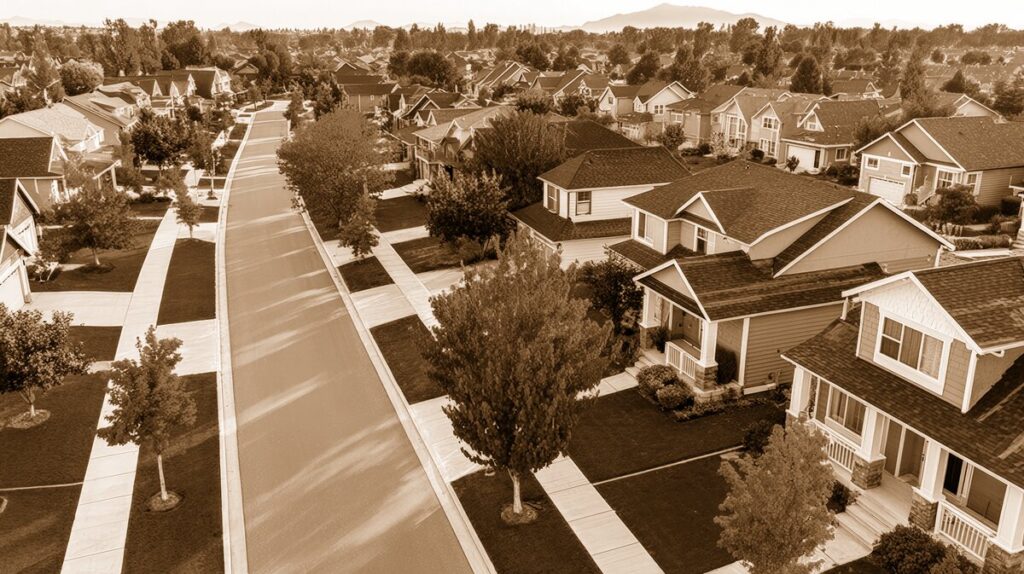
From its earliest days as a Native American crossroad and fertile farmland, through jewel-box resorts and icehouses, Mohegan Lake has evolved into a vibrant, diverse year-round community. Walk along streets like Strawberry Road or Carhart Avenue and you’ll see a blend of ranch homes, mid-century cottages, and renovated bungalows—many with stories as unique as their owners.
The area is home to the beloved Benjamin Franklin Elementary School, local eateries, and a number of small parks, including Sycamore Park just south of the lake, where generations of residents have enjoyed baseball, swimming, and fireworks on summer evenings.
What truly sets Mohegan Lake apart is the way its heritage lives on in daily life. There’s an annual spirit of volunteerism—whether restoring trails, decorating the lake for the holidays, or gathering for the summer concerts in the park. Neighbors, old and new, share a readiness to welcome friends with a smile and a story from times gone by.
The Legacy Lives On
When you visit or settle here, you quickly learn to look beyond the serene reflections on the water. Mohegan Lake endures as a place “where everyone knows your name,” but with a rich heritage echoed in every corner—from the Native American roots honored in its name to the dynamic present shaped by generations of newcomers. It’s this living story that makes Mohegan Lake not just a neighborhood, but a treasured piece of Yorktown Heights’ history.
If you wander the shoreline as the sun dips behind the trees, you’ll sense the community’s deep connection to the past—and see why so many are proud to call Mohegan Lake home.